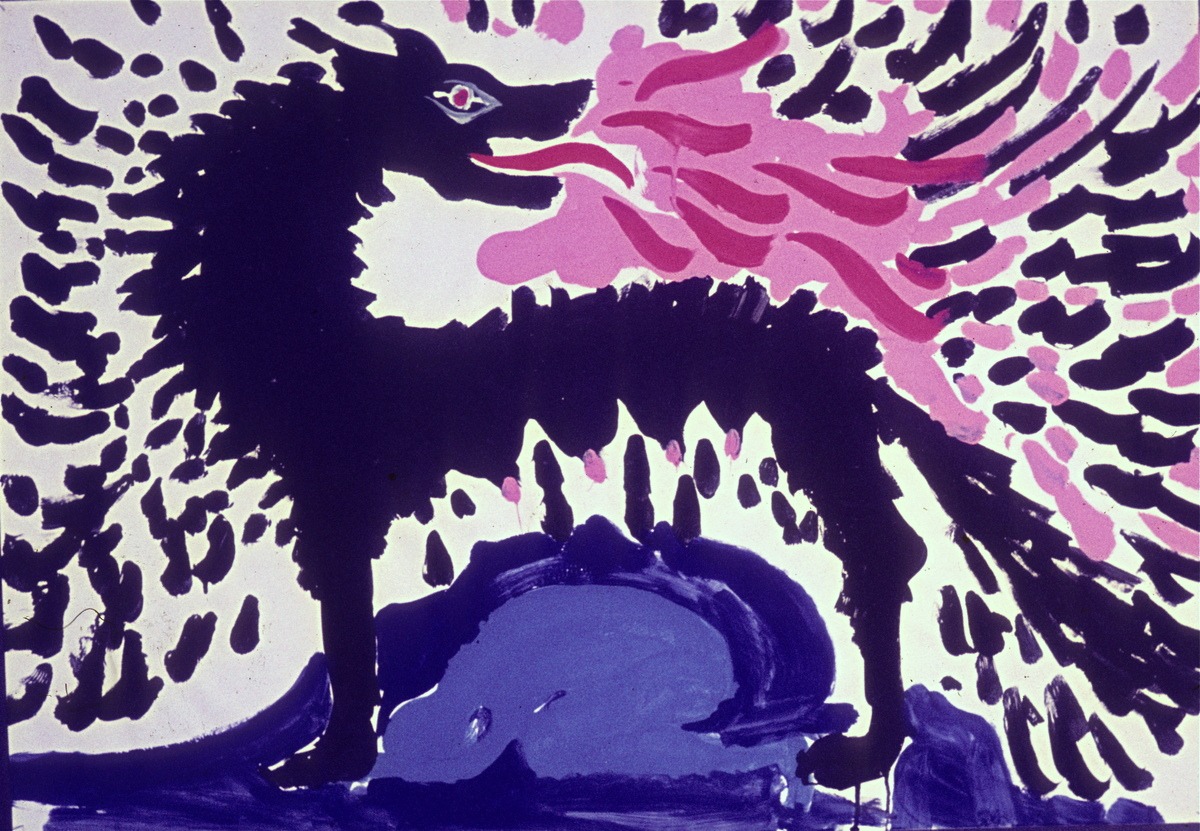
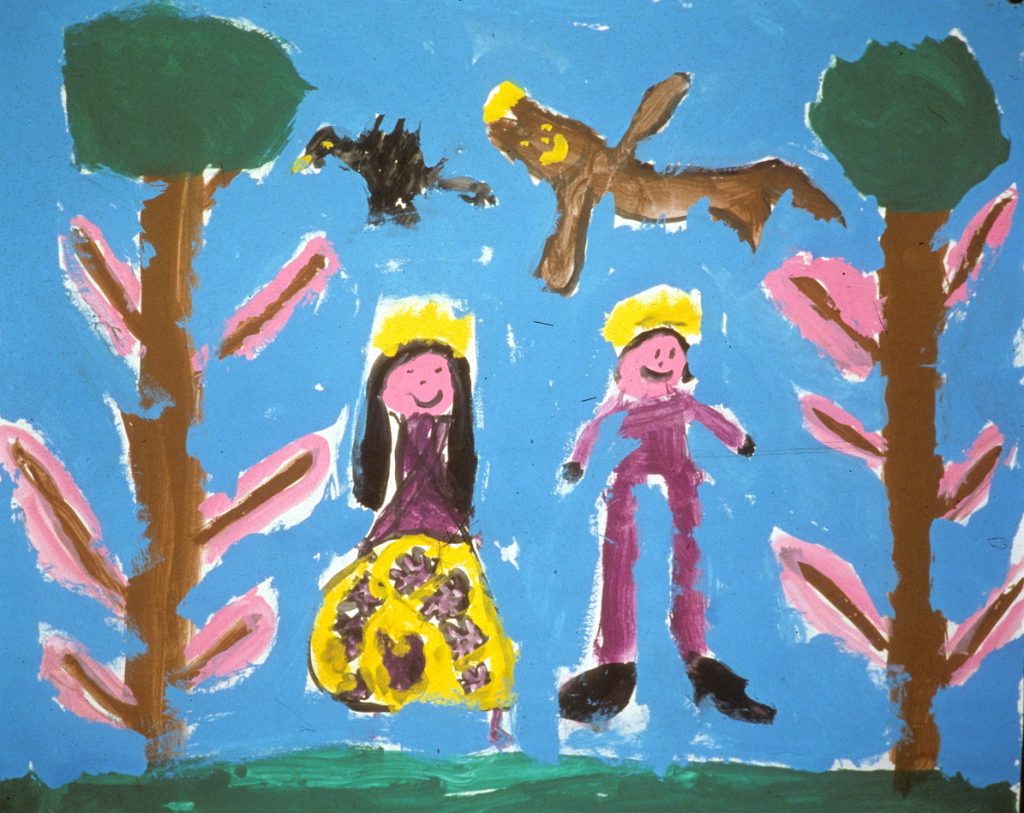
 Creative Expression Art was developed by Arno Stern (b. 1924) in France after the Second World War, initially for children. It later spread to Switzerland and other European countries, and some state and private schools and nurseries in Switzerland incorporate CEA in their curricula.
In Creative Expression Art (CEA), paint and clay are used to facilitate self-expression, giving an opportunity to explore colour, rhythm, form and images: the pulse of life. CEA can be used for light-hearted or in-depth exploration. It assists and consolidates the natural development of the participant. No example, praise, criticism or analysis is used in this work. The rules and order in the studio enable freedom in expression and creative development, and can enable new potential in the participant. No artistic ability or previous experience in painting is necessary to participate.
Creative Expression Art:
- helps the integration of intellect and intuition
- liberates the joy in creating
- enables a wide spectrum of expression in a safe place
- increases self-confidence, decision-making and social skills
- furthers the individuation process
- develops self-referral through greater understanding of self
- encourages awareness of others
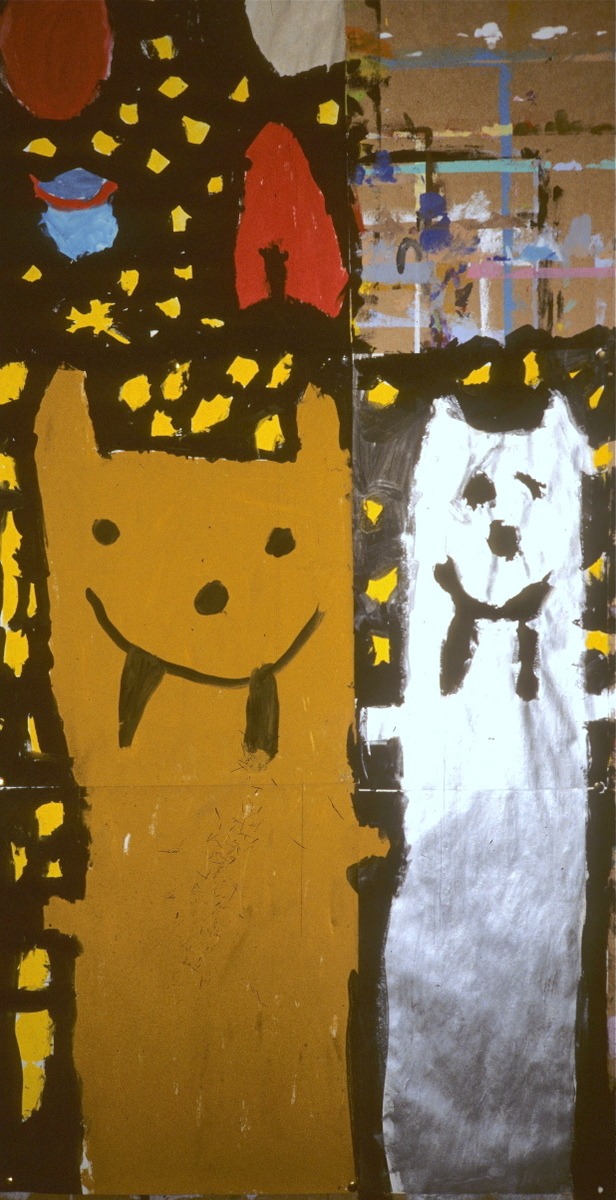 CEA studios are used by children and adults. Some focalizers work only with adults, some only with children, some with mixed groups of adults and children. Sessions take place once a week in a purpose-built studio. Groups have up to seven participants. Weekend courses or one to one sessions may also be available. People may enjoy coming to the studio over an extended period of time. Participants come from all walks of life and range in age from four years upwards.